Top 10 Benefits of Choosing Modular Homes for Your Next Project?
When considering your next building project, modular homes offer an innovative solution. These structures are gaining popularity due to their flexibility and efficiency. Homeowners appreciate how modular homes can be tailored to individual needs while adhering to rigorous standards. These homes are built in sections in a factory, ensuring high quality and faster completion times.
One significant advantage is the cost-effectiveness of modular homes. They are often less expensive than traditional homes, allowing for more budget allocation to other aspects of the project. Additionally, these homes are eco-friendly. They generate less waste during construction, appealing to environmentally conscious builders. However, it’s essential to acknowledge potential challenges. Site preparation and local zoning laws must be thoroughly understood to avoid delays.
In this article, we will explore the top ten benefits of modular homes. By examining these aspects, you can make an informed decision about whether modular construction aligns with your project goals.
Benefits of Speedy Construction with Modular Homes
Modular homes are revolutionizing the construction industry. One of their primary advantages is speedy construction. Traditional building methods can take months or even years to complete. In contrast, modular homes can be constructed in a fraction of that time. This is mainly because much of the building takes place in a factory setting. Controlled conditions lead to fewer delays due to weather or labor shortages.
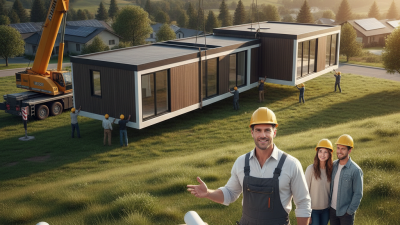
Once the modules are built, they are transported to the site for assembly. This process typically takes mere days. Many homeowners appreciate this rapid turnaround, especially when facing urgent housing needs. However, it’s important to recognize that this speed isn’t always without challenges. Coordination between manufacturers and site workers is critical. Miscommunication can lead to delays that negate some time savings.
Prefab homes also require careful planning. Site preparation must be ready before modules arrive. If not, time gains can diminish quickly. A specific mindset is required for this approach. Flexibility is vital in dealing with site issues or unforeseen events. The promise of speedy construction makes modular homes attractive, but every project presents unique hurdles to overcome.
Cost Efficiency: How Modular Homes Save You Money
Modular homes are gaining popularity for their cost efficiency. Studies show that they can save up to 20% compared to traditional homes. This reduction often stems from lower labor costs and streamlined construction processes. These homes are built in factories, which minimizes delays caused by weather or permitting. Reports indicate that modular construction can cut overall project timelines by up to 50%. This speedy delivery leads to savings on financing costs as well.
Investing in modular homes also means fewer unexpected expenses. A 2021 survey found that modular home buyers experienced 30% fewer cost overruns than those who opted for site-built homes. Homeowners appreciate knowing their budget upfront. However, it’s crucial to account for potential land costs. A thoughtful site selection can lead to additional savings.
Tip: When planning your modular home project, consider a clear budget. Knowing your limits helps avoid stress. Research local building codes, too. They can impact your final costs. The right planning can reveal opportunities for more savings, making your home project more rewarding.
Top 10 Benefits of Choosing Modular Homes for Your Next Project
Sustainability Features of Modular Home Design
Modular homes stand out for their unique sustainability features. They are built in controlled factory environments, reducing waste. This method ensures efficient use of materials. Often, modular homes utilize pre-cut materials, minimizing excess. This can lead to a decrease in overall project costs.
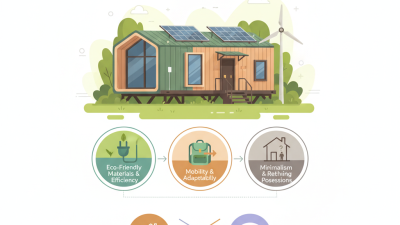
Energy efficiency is a major advantage. Many modular designs incorporate high-performance insulation. This enhances energy conservation, naturally lower energy bills. Some models even include solar panels, optimizing the use of renewable energy. However, not all designs prioritize sustainability. It’s essential to research and select options that meet green building standards.
Water conservation is another vital feature. Many modular homes are designed with energy-efficient appliances. Rainwater harvesting systems can also be integrated. This promotes a responsible approach to resource use. Still, achieving the perfect balance between cost and sustainability can be challenging. Thoughtful planning is crucial to create a lasting impact.
Flexibility in Design and Customization Options
Modular homes offer unmatched flexibility in design and customization. Homeowners can choose layouts that fit their lifestyle. From open spaces for family gatherings to cozy nooks for quiet time, the possibilities are endless. The choice of materials also allows for personal style, whether it be modern or rustic.
Working with modular designs often leads to new ideas. The process encourages collaboration with architects and builders. However, finding the right balance between individuality and practicality can be challenging. It’s essential to think deeply about functionality versus aesthetics. This reflection can illuminate potential pitfalls in design, ensuring that every choice adds value.
Customization extends beyond interior layouts. Exterior options let homeowners express their vision too. Selecting colors, finishes, and landscaping creates a unique identity. But, it’s vital to keep in mind that trends change. What feels right today may not resonate tomorrow. Remaining open to adjustments can lead to a more satisfactory outcome in the long run.
Top 10 Benefits of Choosing Modular Homes for Your Next Project
| Benefit |
Description |
Impact |
| Flexibility in Design |
Modular homes can be customized according to personal style and preferences. |
Allows for personalized living spaces that reflect individual aesthetics. |
| Cost-Effectiveness |
Generally less expensive to build compared to traditional homes. |
Reduces overall construction costs and time. |
| Faster Construction |
Modules are prefabricated in a factory and assembled on site. |
Significantly shorter build times, enabling quicker occupancy. |
| Sustainability |
Often built with eco-friendly materials and energy-efficient designs. |
Minimizes environmental impact and promotes green living. |
| Quality Control |
Built in controlled factory settings, ensuring high standards. |
Reduces the risk of construction errors and defects. |
| Durability |
Modular homes are built to withstand transportation and on-site assembly. |
Results in robust structures that last longer. |
| Financing Options |
Many lenders offer financing for modular homes similar to traditional homes. |
Easier access to funding for home buyers. |
| Reduced Waste |
Prefab construction leads to less material waste on site. |
Promotes a more efficient use of resources. |
| Safety |
Safer work environment in factories compared to on-site construction. |
Decreases risk of accidents during the building process. |
| Variety of Styles |
Available in a wide range of architectural styles and layouts. |
Offers multiple options to cater to different tastes and needs. |
Quality Control and Safety Standards in Modular Construction
Modular homes have gained popularity for a reason. One key area where they shine is in quality control. Unlike traditional construction, modular homes are built in a controlled factory setting. This eliminates many variables that can affect construction quality. Each module undergoes rigorous inspections before it leaves the factory. Builders focus on precise measurements and durable materials, ensuring a strong foundation.
Safety standards in modular construction are strikingly high. The building codes in factory construction often exceed local regulations. Every aspect, from plumbing to electrical systems, adheres to strict guidelines. This proactive approach to safety minimizes risks during the home’s lifespan. However, it's essential to reflect on potential oversight. Not all manufacturers may meet the same high standards. Research and verify any builder’s reputation.
Costs can sometimes be misleading. While modular homes can save money, initial quotes may seem higher than traditional builds. This could deter some prospective buyers. It's crucial to assess the long-term savings on energy and maintenance. With the right information, the decision becomes more transparent. The combination of quality, safety, and cost efficiency makes modular homes a compelling choice for many.