How to Choose the Best Prefab Home Kits for Your Needs
Choosing the right prefab home kits can be a daunting task. With so many options available, it’s essential to find a solution that fits your specific needs. According to John Smith, an expert in sustainable housing, "Investing in prefab home kits can provide both efficiency and style, if chosen wisely." This insight highlights the importance of making an informed decision.
Prefab home kits offer a flexible and affordable approach to home building. You can customize your home design while staying within budget. However, not every kit is created equal. Some may lack essential features, which could lead to frustration down the line. Researching quality materials and reliable manufacturers is key to ensuring your satisfaction.
Navigating the world of prefab home kits also requires you to consider local building codes and regulations. These can impact your design and construction process. Engaging with professionals and asking questions can reveal potential pitfalls. Remember, a well-informed choice today can save you time and money in the future.
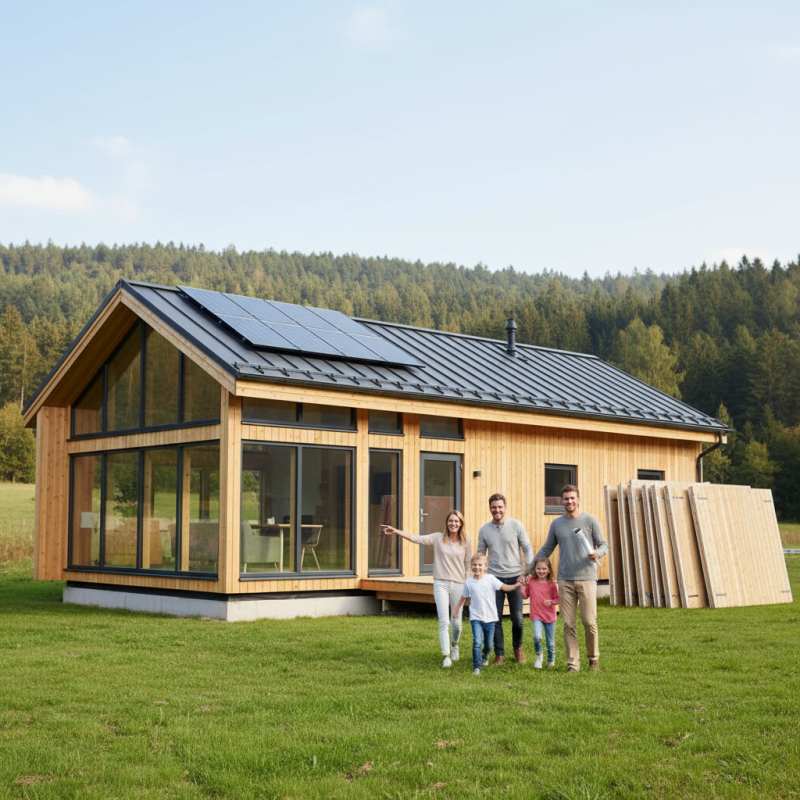
Types of Prefab Home Kits Available on the Market
When exploring prefab home kits, it’s essential to understand the types available. There are various designs suited for different preferences and needs. The most common types include modular homes, panelized homes, and manufactured homes. Each offers unique benefits and challenges.
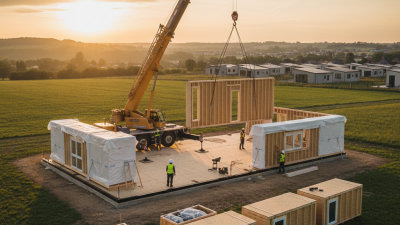
Modular homes are built in sections and assembled on-site. They provide a faster construction process. However, coordination between transport and assembly can be tricky.
Panelized homes arrive as panels. This allows for customization on-site, though it often requires skilled labor for assembly. Manufactured homes come fully built, offering convenience, but they can have restrictions based on zoning laws.
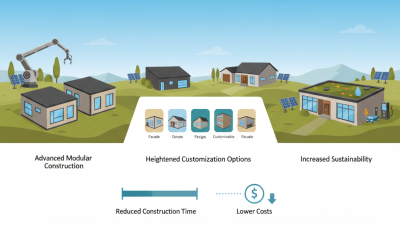
Customization remains a crucial factor. Different kits allow for personalized layouts, finishes, and energy-efficient designs. This flexibility means you can create a space that reflects your lifestyle. On the flip side, with more options comes the potential for decision fatigue. Careful consideration of your needs and preferences can simplify the process.
Factors to Consider When Choosing Prefab Home Kits
When considering prefab home kits, several key factors can guide your decision. One important aspect is the design flexibility offered by the kit. According to a 2022 report by the National Association of Home Builders, customizability remains a top priority for 70% of homebuyers. Many prefab kits allow for various layouts and finishes, which can enhance your living experience. Evaluate your lifestyle needs, such as the number of bedrooms or open space, to choose a kit that reflects your vision.
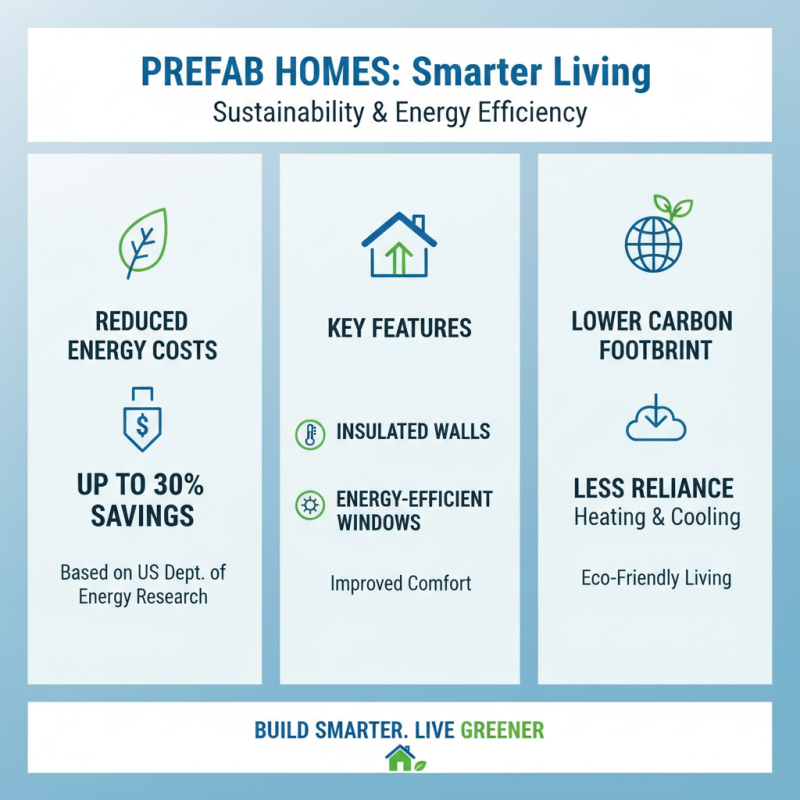
Another critical factor is energy efficiency. The U.S. Department of Energy reports that energy-efficient homes can save homeowners up to 30% on energy bills. Look for prefab kits that include sustainable materials and insulation options. It’s worth noting that not all kits are created equal in this regard. Research the materials used and consider the long-term savings related to energy impact.
Budget constraints also play a significant role in your choice. Prefab kits vary widely in price, often influenced by material quality and included features. While a lower-priced kit may seem appealing, it’s essential to evaluate the longevity and durability of the materials used. Research shows that while initial costs can be tempting, investing in quality can lead to lower maintenance and better resale value in the future.
Budgeting for Your Prefab Home Kit: Costs and Financing Options
When considering a prefab home kit, budgeting becomes essential. The average cost of these kits can vary significantly, typically falling between $40 to $200 per square foot. This wide range depends on factors like location, materials, and design complexity. According to a report from the Prefabricated Building Manufacturers Association, many buyers overlook hidden costs like delivery, site preparation, and utilities. These can inflate the overall budget by 15% to 30%.
Financing options should also be carefully evaluated. Traditional mortgages might not be available for prefab homes, as these homes often require different lending criteria. A 2021 study showed that about 30% of buyers opt for personal loans or alternative financing. These options generally have higher interest rates and shorter terms.
Buyers should also explore local grants and incentives. Some regions offer assistance for energy-efficient builds. These programs can reduce upfront costs and provide financial relief during construction. Awareness of all financial aspects is vital to avoid unexpected expenses.
Budgeting for Your Prefab Home Kit: Costs and Financing Options
Customization Options: Tailoring Your Prefab Home to Your Needs
When considering prefab home kits, customization options are vital in creating a space that truly reflects your lifestyle. Many manufacturers offer design flexibility, allowing you to choose layouts, materials, and finishes. According to a report by IBISWorld, over 60% of homeowners prefer customized features in their prefabricated homes. This trend highlights the growing importance of personalization in modern housing solutions.
In addition to layout choices, consider environmental factors. Sustainable options such as energy-efficient windows, insulation materials, and solar panel systems are increasingly available. A study from the National Renewable Energy Laboratory shows that these features can save homeowners up to 30% on energy costs. Tailoring your prefab home to include these aspects can significantly enhance its long-term value.
However, customization can also lead to challenges. Some clients find themselves overwhelmed by too many options. The key is to identify what truly matters to you. Budget constraints may limit available choices, requiring careful deliberation. Balancing your desires with practical needs is essential for a successful project. Your unique vision for a prefab home can lead to a rewarding outcome if approached thoughtfully.
How to Choose the Best Prefab Home Kits for Your Needs - Customization Options
| Customization Option |
Description |
Price Range ($) |
Lead Time (Weeks) |
| Floor Plan Adjustments |
Modify the layout of rooms to fit your preferences. |
500 - 2000 |
4-6 |
| Exterior Finishes |
Choose from a variety of siding materials and colors. |
1000 - 5000 |
2-4 |
| Roof Style |
Select between different roof types (e.g., gable, flat). |
800 - 3000 |
3-5 |
| Interior Customization |
Personalize cabinetry, countertops, and flooring options. |
1000 - 7000 |
6-8 |
| Sustainable Options |
Choose eco-friendly materials and energy-efficient installations. |
1500 - 8000 |
5-7 |
Evaluating Sustainability and Energy Efficiency in Prefab Homes
When considering prefab homes, sustainability and energy efficiency are crucial factors. Research from the U.S. Department of Energy shows that energy-efficient homes can reduce energy costs by up to 30%. Features like insulated walls and energy-efficient windows play a significant role. These elements improve comfort and decrease reliance on heating and cooling systems. This can lead to a lower carbon footprint for homeowners.
However, not all prefab kits focus on sustainability. Some may use lower-quality materials to cut costs, negatively impacting energy performance. It’s essential to evaluate the materials used and the construction methods employed. The National Renewable Energy Laboratory reports that homes built with sustainable practices can achieve significant savings over their lifespan. Choosing responsibly sourced materials can lead to long-term benefits, though it may also increase initial costs.
The challenge lies in balancing upfront investments with long-term savings. Thinking ahead is necessary when assessing the total cost of ownership. This includes maintenance expenses and energy bills. When selecting a prefab home kit, ensure it aligns with sustainability standards and energy efficiency goals. This can lead to a more positive living experience and contribute to environmental sustainability.