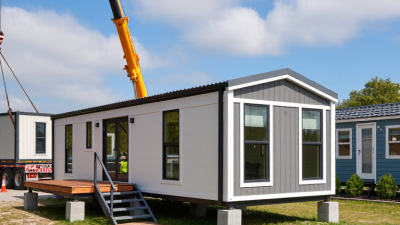
Found a design you like or need custom guidance? We can help. Fill in the form about your project, and we’ll contact you to discuss options and answer questions.
Finding the right transportable homes supplier in China takes more than comparing catalog photos or headline prices. A polished render can hide important details: wall thickness, insulation type, window specifications, electrical provisions, and packing methods. Ask for recent project photographs, technical drawings, a materials schedule, and a written breakdown of what the quotation includes. Small details matter. A clear answer is useful; a vague promise is not. This guide outlines practical ways to assess suppliers, from product evidence and production capacity to communication and after-sales support. It also suggests questions to ask before requesting samples or placing an order.
Check whether a supplier is a manufacturer or trading company, and ask for verifiable company and facility information. Where available, review independent inspection records or arrange a factory visit. Compare specifications carefully, not just floor plans: two homes with similar layouts may use very different materials and finishes. Clarify customization limits, production timelines, packaging, and how damaged components are handled. Request references for comparable projects, while recognizing that references alone cannot guarantee future performance. There is no perfect checklist. Price pressure can make quick decisions tempting, but a low quote may omit essential items. Confirm that the design and product documentation suit your intended use, and consult qualified local professionals about applicable requirements. Careful supplier research cannot remove every risk, but it can reveal unanswered questions before they become costly surprises.

Transportable homes are factory-built dwellings designed for delivery and installation on a prepared site. The term covers different systems, and suppliers may use labels inconsistently. Modular units arrive as room-sized sections, often with wiring and plumbing installed. Panelized homes ship as wall, floor, and roof panels, requiring more assembly on site. Container-based homes use steel shipping containers, so inspect insulation, condensation control, and corrosion protection closely. Small, towable homes offer mobility but usually less living space. Details matter.
McKinsey & Company’s 2019 report, Modular construction: From projects to products, estimates modular methods can shorten construction schedules by 20–50%. It says costs may fall by up to 20%, though actual results depend on the project. UNEP and GlobalABC’s 2023 Global Status Report links buildings and construction to 37% of global energy- and process-related CO2 emissions in 2022. That figure covers the whole sector, not transportable homes alone. When comparing suppliers, check insulation specifications, material details, factory quality records, and what installation includes. A low delivery price can conceal site costs. Some details are easy to miss.

Container-based homes may use standard shipping-container dimensions as a starting point for transport planning. The chart shows approximate external dimensions; actual units can vary, so confirm finished-home dimensions, weight, and shipping requirements with suppliers and logistics providers.
Before contacting transportable homes suppliers in China, define what the project must deliver. Set the intended use, occupancy, floor area, layout, and number of units. Note site access, local climate, wind exposure, and available utility connections.
Small details matter. A home designed for a mild climate may need different insulation and ventilation for a colder site. Record preferred materials, finishes, delivery dimensions, and installation needs.
Separate essential requirements from optional upgrades; otherwise, quotes may be difficult to compare.
Tips: Prepare a one-page brief with sketches, measurements, target delivery dates, and a realistic budget range. Ask suppliers to identify assumptions instead of silently filling gaps.
When reviewing suppliers, check whether their technical drawings match your brief and whether they can explain production checks, packing methods, and installation support.
Request recent project references and clear specifications for structural components, insulation, windows, and electrical provisions. Confirm which documents are available for your destination and have qualified local professionals review them.
Compare quotes line by line, including transport, unloading, and any excluded work. A polished catalogue is not proof of manufacturing consistency.
This process can feel slow, and some requirements may change; document revisions in writing before production begins.
Researching Chinese transportable home manufacturers takes more than comparing catalogue photos. Ask whether the company builds the units itself or coordinates outside workshops. Request a live factory tour, and look for cutting, welding, insulation, and final-assembly areas. Ask for dated project records and customer references you can contact.
Ask for proof.
A polished showroom is useful, but it cannot show how every unit is made. Compare written specifications, not broad promises. Check wall thickness, insulation type, window details, wiring plans, roof design, and module dimensions. Confirm how the home is packed and loaded for transport. Request inspection records, material documents, and a clear warranty process.
If possible, use an independent inspector to review a sample unit before production continues.
That matters.
Keep drawings, agreed changes, delivery terms, and payment milestones in writing. A video call may miss small defects, and even detailed paperwork cannot guarantee a perfect shipment. Leave room for questions, revisions, and a little uncertainty. Good research makes problems easier to spot, not impossible to have.
A polished catalog is only a starting point. Ask for current business registration, export records, and the address of the factory building your units. Verify these details independently. Compare the legal entity on quotations, contracts, and payment instructions. Small mismatch? Pause.
Request drawings, material specifications, and test reports for the exact model, not a similar display unit. Check wall and roof assemblies, insulation thickness, window seals, wiring layouts, and plumbing connections against your project requirements. Ask how design changes are recorded. A sample room may look convincing, but weak joints can appear after repeated lifting or long-distance transport. For a substantial order, consider having an independent inspector review critical components.
Production capacity needs evidence. Request a dated schedule, recent factory-floor photos or a live video, and details about active orders, shifts, and monthly output. Confirm where fabrication, finishing, and packing take place. Capacity claims can be optimistic; one busy factory visit is only a snapshot. Ask customers from comparable projects about delays, packaging damage, and after-sales support. Leave room for uncertainty. Written records and specific questions make comparisons more dependable, though they cannot remove every risk.
How to Find Top Transportable Homes Suppliers in China?
Comparing Quotes, Contracts, and Delivery Arrangements
A low quote can look convincing, but compare the same specification across suppliers. Ask for separate prices for the frame, insulation, windows, wiring, plumbing, finishes, and packing. Details matter. A quote should state dimensions, materials, quantities, currency, and what is excluded. Not just the shell. Small omissions cost. Check whether the price covers loading, inland transport, and shipping, or only the unit at the factory.
The contract should match the final drawings and quote. Record material grades, measurements, finish requirements, production dates, payment milestones, inspection steps, and warranty terms. Get it in writing. Ask how changes are approved and priced; a casual message can leave room for disagreement. Have a qualified professional review important terms for your market. A tidy comparison sheet helps, but it cannot prove workmanship. Request dated production photos or arrange an independent inspection before final payment.
Delivery needs the same detail. Confirm packing dimensions and weights, shipment route, estimated dispatch window, and who handles customs documents. Clarify unloading: will a crane be needed, and can the vehicle reach the site? Check site access before the unit leaves the factory. Delivery estimates can shift, even with careful planning. I would treat any “all-inclusive” promise cautiously until each cost and handover point is written down.
| Comparison dimension | What to compare | Evidence to request | How to assess the offer |
|---|---|---|---|
| Scope of supply | Confirm whether the price covers the structural frame, wall and roof panels, windows, doors, insulation, electrical and plumbing work, interior finishes, and assembly. | Itemized quotation, drawings, specifications, and a written list of exclusions. | Compare offers against the same specification; a lower headline price may omit important components or site work. |
| Building-code compliance | Check the intended destination’s requirements for structural loads, fire safety, energy performance, electrical systems, plumbing, and permits. | Relevant test reports, material specifications, engineering calculations, and documents prepared for the destination market. | Do not assume that a general quality certificate means the home complies with local building regulations; confirm requirements with local professionals or authorities. |
| Materials and performance | Compare frame material and thickness, panel composition, insulation type and thickness, glazing, corrosion protection, and stated design loads. | Product data sheets, construction details, sample specifications, and applicable test results. | Compare like-for-like materials and performance figures rather than relying on broad descriptions such as “weatherproof” or “premium.” |
| Quote validity and currency | Check the quotation currency, validity period, quantity basis, taxes, bank charges, and conditions that could change the price. | Dated quotation with a clear validity date, price breakdown, and written assumptions. | Request revised written pricing if specifications, destination, order quantity, or delivery terms change. |
| Payment schedule | Compare deposit, progress payments, balance due, payment method, and the production milestones linked to each payment. | Contract payment clause, milestone definitions, and invoices or payment instructions issued by the contracting entity. | Avoid unclear payment triggers. Agree in writing on inspection and documentation requirements before the final balance is due. |
| Contract and specifications | Ensure the contract identifies the exact model or design, dimensions, materials, quantities, tolerances, finishes, drawings, and agreed changes. | Signed contract with dated, version-controlled drawings and a specification schedule attached. | Make the contract and attachments consistent with the final quotation; record all amendments in writing. |
| Quality inspection | Agree what will be inspected, when inspection can occur, how defects are documented, and who pays for rework or reinspection. | Inspection checklist, photographs or video, test records where relevant, and a signed inspection report. | Set inspection points before production and shipment; resolve non-conformities in writing before dispatch. |
| Production and lead time | Separate design approval, manufacturing, inspection, packing, export clearance, transit, and destination handling time. | Written production schedule, stated start conditions, shipment target, and process for schedule updates. | Treat lead times as estimates unless the contract defines dates, delay responsibilities, and remedies. |
| Shipping and delivery terms | Identify the named delivery point and agreed Incoterms® rule and version; clarify who arranges freight, insurance, export clearance, and import clearance. | Freight quotation, packing details, route or port information, and the exact Incoterms® term written in the contract. | Incoterms® rules allocate specified costs and risks; they do not by themselves set payment terms, ownership transfer, or all delivery obligations. |
| Transport dimensions and packing | Confirm whether the home ships assembled or in modules, package dimensions and weights, loading method, container suitability, and any oversized-cargo requirements. | Packing list, package drawings, weights, loading plan, and photos of protective packing. | Check dimensions against carrier limits and the delivery site’s access, lifting equipment, and unloading arrangements. |
| Import costs and documents | Determine which party handles customs declarations, duties, taxes, destination charges, and any product-specific import documentation. | Commercial invoice, packing list, transport document, origin documentation where applicable, and any required compliance documents. | Confirm local import requirements and charges with the destination country’s customs authority or a qualified customs broker. |
| Warranty and after-sales support | Compare warranty duration and coverage by component, exclusions, claim procedure, response times, and availability of replacement parts. | Written warranty terms, service contact details, spare-parts list, and claims procedure. | Check who pays for parts, labor, and international shipping when a warranty claim is accepted. |
| Installation and site readiness | Clarify whether installation is included and identify foundation design, utility connections, cranes or lifting equipment, local labor, and site preparation responsibilities. | Installation scope, foundation requirements, connection details, and a written division of responsibilities. | Do not assume that delivery includes unloading, foundation work, utility connection, or installation unless expressly stated. |
Note: This comparison is a supplier-evaluation checklist, not a quotation or a representation of current supplier prices. Verify specifications, regulations, freight costs, and contractual terms for the destination project.