How to Optimize Modular Construction for Global Buyers?
In the rapidly evolving world of construction, optimizing modular construction remains a vital task. James Hughes, a renowned expert in the modular construction field, asserts, "Efficiency in modular design can redefine global markets." This statement highlights the need for strategic approaches tailored for global buyers. As modular construction gains traction, understanding its nuances is critical for success.
Modular construction offers flexibility and speed, making it appealing for international projects. However, there are challenges that buyers face. Relying on standard practices may not yield the desired results. Each market has unique demands that require specialized solutions. Addressing local regulations and cultural preferences is essential.
Moreover, buyers must prioritize sustainability and durability. The integration of eco-friendly materials is no longer optional; it is a necessity. It invites reflection on how far the industry has come and where it needs to improve. By focusing on these aspects, stakeholders can maximize the potential of modular construction. The journey is ongoing, and continuous adaptation is crucial for meeting the needs of a diverse global market.
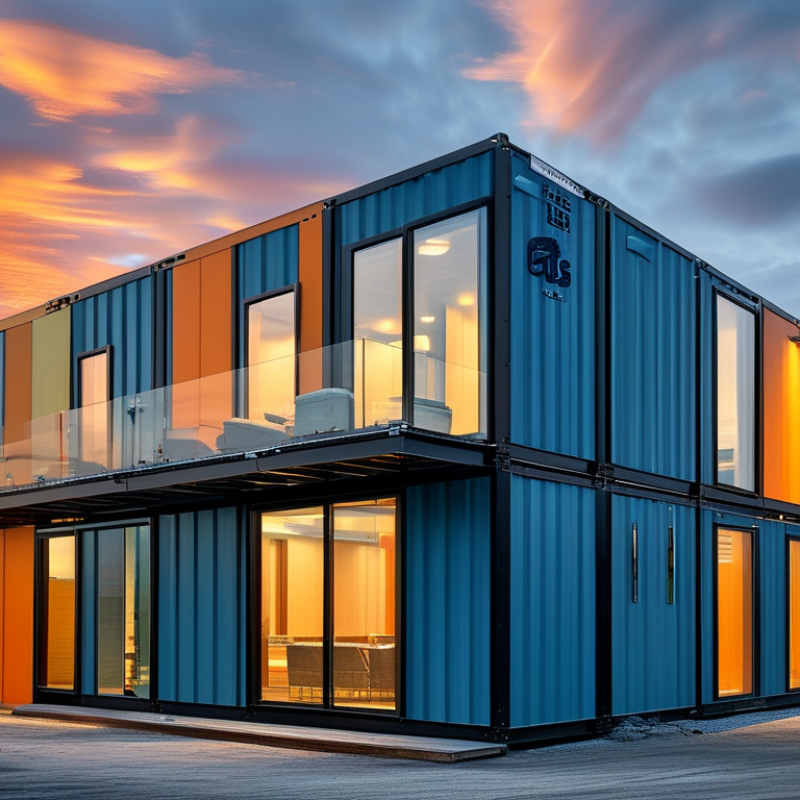
Understanding Modular Construction: A Global Perspective
Modular construction is gaining traction globally, driven by the need for efficiency in building projects. According to a report by McKinsey, modular construction can reduce project times by up to 50% compared to traditional methods. This significant reduction is appealing to global buyers facing tight deadlines. However, challenges remain. Quality control across different regions can vary. Ensuring consistency while balancing local standards is crucial.
Cost-effectiveness is another compelling factor. A survey from the National Institute of Standards and Technology (NIST) indicates that modular construction can yield savings of 20% to 30% on labor costs. Yet, this potential is not always realized. Variability in material costs and shipping logistics can complicate pricing structures. Buyers must be aware of these fluctuations to optimize their investments effectively.
In regions where modular construction is less established, educational initiatives may be necessary. Stakeholders often lack understanding of the benefits and processes involved. Providing training and resources can mitigate these knowledge gaps. Engaging local professionals can foster collaboration between global buyers and regional suppliers, contributing to more effective modular project outcomes.
Key Benefits of Modular Construction for International Buyers
Modular construction presents significant advantages for international buyers. According to a recent McKinsey report, modular projects can reduce construction time by up to 50%. This speed is crucial for companies looking to enter new markets quickly. It allows buyers to respond to demand changes rapidly and efficiently.
Cost-effectiveness stands out as another benefit. A study by the National Institute of Standards and Technology highlights up to 20% savings in construction costs through modular methods. By minimizing waste and shortening labor hours, buyers can enhance their profit margins. However, achieving these savings requires careful planning and design coordination, which can be challenging across different countries.
Furthermore, modular construction promotes sustainability. The World Green Building Council states that modular buildings use fewer resources, resulting in less environmental impact. Projects can often incorporate environmentally friendly materials effortlessly. Yet, the disconnect between local regulations and modular best practices can create hurdles that need addressing. Buyers must ensure collaboration with local authorities to maximize these benefits.
Strategic Considerations for Sourcing Modular Components Globally
Optimizing modular construction for a global market involves careful strategic sourcing of components. When looking for suppliers, consider their local expertise and reliability. It is crucial to evaluate how well they understand regional construction standards and practices. Their experience can greatly influence quality and compliance with codes. Build relationships with suppliers who have a proven track record in modular component production.
Quality control in sourcing is another vital aspect. Some suppliers may offer lower prices but compromise on materials and craftsmanship. It can lead to costly issues down the line. Therefore, conducting thorough inspections and requesting samples can ensure that the components meet your standards. This step may seem tedious, but it is necessary for successful projects.
Logistics also deserves attention. Shipping times and costs can vary significantly across global suppliers. Factors like customs procedures and transportation methods play a pivotal role. Not all suppliers can deliver on time. Analyze past performance metrics to identify potential delays. This reflection helps in making informed decisions and mitigating risks.
Supply Chain Management in Global Modular Construction Projects
In global modular construction, supply chain management is crucial. Coordinating materials and logistics across borders can be complicated. Different countries have varying regulations and standards. This leads to potential delays and increased costs. Effective communication is essential. Stakeholders must share information transparently to avoid misunderstandings.
Logistics play a vital role. Shipping modular components involves significant planning. Transportation modes must be chosen wisely. Some regions have limited access, which complicates deliveries. Finding reliable local suppliers is key. Quality control at all stages is non-negotiable. Inconsistent quality can lead to structural issues down the line.
Sometimes, these challenges expose gaps in the process. Issues like late deliveries or damaged goods can arise. Reflecting on past projects can inform future strategies. Continuous improvement is critical. Learning from missteps helps refine the supply chain. This iterative process fosters resilience in an ever-evolving market.
How to Optimize Modular Construction for Global Buyers? - Supply Chain Management in Global Modular Construction Projects
| Dimension |
Description |
Importance Level |
Frequency of Implementation |
| Supply Chain Visibility |
Ensuring real-time tracking of materials and components to improve decision-making. |
High |
Continuous |
| Collaboration Tools |
Platforms that facilitate communication among stakeholders throughout the construction process. |
Medium |
Weekly |
| Standardization of Modules |
Creating standardized designs to reduce lead times and costs. |
High |
Monthly |
| Supplier Diversification |
Engaging multiple suppliers to mitigate risks and enhance availability. |
Medium |
Quarterly |
| Technology Integration |
Utilizing advanced technologies like BIM and IoT for better project management. |
High |
Ongoing |
| Risk Management Strategies |
Proactive identification and mitigation of potential risks in the supply chain. |
High |
Monthly |
Navigating Regulatory Challenges in International Modular Building
Navigating regulatory challenges is crucial for international modular construction. Each country has unique building codes, zoning laws, and safety regulations. For instance, according to a report by the Global Modular Construction Market, 70% of professionals cite compliance as a major hurdle in project execution. This emphasizes the necessity for due diligence and local insights.
Understanding local regulations can be complex. Buyers should closely collaborate with local experts. This includes architects and legal advisors who are familiar with the region's standards. Studies indicate that not addressing these regulations early can lead to costly delays and redesigns. Without this knowledge, projects risk significant setbacks.
Tip: Conduct a comprehensive regulatory audit before starting any project. This can reveal potential issues that may arise later.
Tip: Invest in local partnerships to streamline compliance efforts. These relationships can provide invaluable insights and prevent missteps.
Navigating these complexities does require effort. However, careful planning and informed decision-making can ease the process. With thorough preparation, international modular builders can minimize risks and ensure project success.