What Are the Best China Prefab Home Kits?
China’s prefab home kits are attracting buyers seeking faster construction, controlled costs, and flexible designs. Yet “prefab” does not guarantee quality.
China’s Ministry of Housing and Urban-Rural Development has promoted prefabricated construction as a major industry direction. Its guidance targeted prefabricated buildings reaching 30% of new construction by 2025. This policy signal matters, but it does not replace project-level inspection. Meanwhile, Grand View Research estimated the global modular construction market at approximately USD 91.6 billion in 2022. The report also projected continued growth through 2030, supported by labor shortages and factory-based production.
The best China prefab home kits should be judged beyond attractive factory photographs. Buyers need to examine steel thickness, welding quality, insulation density, roof drainage, window seals, and fire-rated materials. A sample wall section can reveal more than a polished brochure. Ask for test certificates, material specifications, installation drawings, and references from completed homes. The International Building Code, local planning rules, and regional seismic requirements may also affect approval.
Practical details matter. Can a truck reach the site? Is a crane required? Who connects plumbing, electricity, and ventilation? What happens when a panel arrives damaged?
Supplier experience is valuable, but it is not proof of reliability. Independent inspections remain wise. Some online listings understate foundation work, transport fees, and interior finishing costs. That weakness deserves attention. A cheaper kit may become expensive after customs, site preparation, and repairs. This guide compares prefab home kits through documented performance, climate suitability, transparent pricing, and after-sales support, while acknowledging that no single system fits every Chinese region or overseas project.
What Are China Prefab Home Kits?
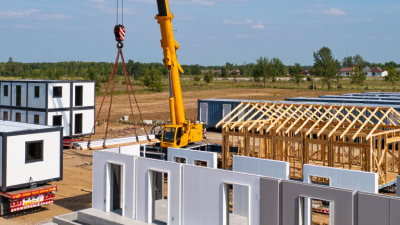
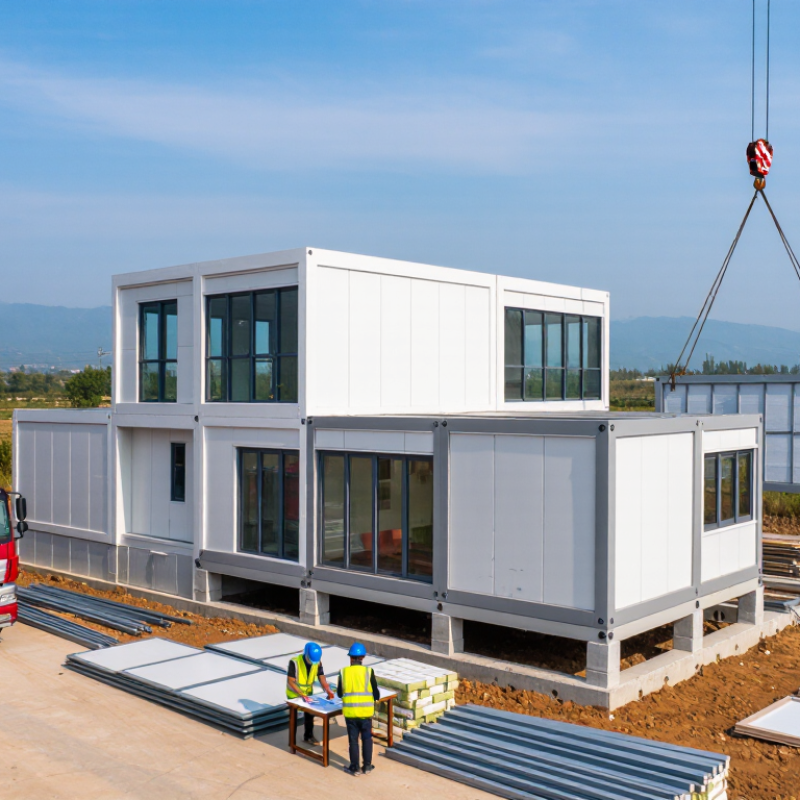
China prefab home kits are factory-produced building packages designed for faster assembly on site. They may include steel frames, insulated wall panels, roofing, windows, doors, wiring routes, and plumbing connections. Components are cut and labeled before shipment, which can reduce construction waste and labor time.
The best kit depends on your climate, land conditions, budget, and local building rules. Experienced buyers should request structural drawings, material specifications, fire ratings, wind resistance data, and installation guidance. A low price can hide shipping costs, foundation work, taxes, or replacement parts. Check the panel thickness carefully. Thin insulation may feel acceptable in mild weather but perform poorly during winter. I would also ask who handles technical questions after delivery. Support is often overlooked.
Tips:
Measure the site before ordering. Confirm transport access for trucks and cranes. Hire a local engineer to review the design and foundation. Inspect delivered panels for moisture, dents, and missing hardware. Keep a written checklist. Do not assume every included fitting matches local standards. A small mismatch in pipe size or electrical equipment can delay installation. Prefab kits can be efficient, but they are not automatically simple. Local workmanship still matters.
Main Types of Prefab Home Kits from China
China’s prefab home kits usually fall into several practical categories. Panelized kits arrive as insulated wall, roof, and floor panels. They are relatively light, stack efficiently, and suit rural homes or small extensions. Assembly depends heavily on accurate foundations and careful sealing around joints.
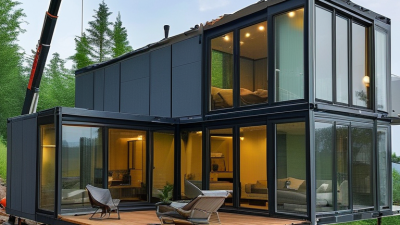
Modular homes arrive as larger factory-built sections. They can include wiring, plumbing, windows, and interior finishes before shipping. This reduces site labor, but transport permits, crane access, and road width become important. Light-gauge steel kits use galvanized steel frames and sandwich panels. They offer consistent dimensions and fast installation, although insulation performance depends on panel thickness and thermal bridging control. Expandable container-style units are compact during delivery and open into larger rooms. They work well for temporary offices, guest rooms, and simple housing projects.
During supplier evaluations, request structural drawings, material specifications, fire ratings, and installation instructions. Check whether the design matches local wind, snow, earthquake, and moisture conditions. A low quoted price may exclude foundations, customs costs, electrical upgrades, or interior finishing. That assumption can fail. I would also inspect sample joints, roof drainage, and bathroom waterproofing before approving production. Factory photos look convincing, but independent inspections reveal uneven welds, damaged panels, or missing fasteners. Some kits appear complete yet require local engineers to adapt them for actual site conditions. That extra review feels slow, but it protects the finished home.
Key Materials, Designs, and Construction Standards
China prefab home kits should be judged by materials, not attractive renderings. Galvanized light-gauge steel offers accurate factory cutting and low transport weight. It still needs reliable corrosion protection, especially near coasts. Structural insulated panels can improve thermal performance, but poorly sealed joints invite condensation. Mineral wool often provides stronger fire resistance than untested foam alternatives. Details matter.
The UNEP and GlobalABC Buildings–GSR 2024 reports state that buildings consumed about 32% of global energy and produced 34% of global carbon emissions in 2023. That makes insulation, airtightness, glazing, and shading practical design priorities. A well-designed kit should show U-values, fire ratings, acoustic results, and moisture-control layers. Roof overhangs, raised floors, and cross-ventilation also suit many humid Chinese regions. Not every drawing reflects local weather.
Construction documents should identify compliance with relevant Chinese requirements, including structural loads, seismic design, and fire safety standards such as GB 50009, GB 50011, and GB 50016. However, Chinese compliance does not automatically satisfy another country’s building code. Independent engineers should review foundations, wind loads, snow loads, electrical systems, and escape routes before purchase. Factory quality checks help, but site assembly remains critical. A small tolerance error can damage a panel joint. The International Energy Agency’s 2023 building analysis also emphasizes efficiency improvements, yet real performance depends on installation quality. That gap deserves honest inspection.
What Are the Best China Prefab Home Kits?
Key materials, modular designs, and construction standards should be evaluated together. The chart shows the design working-life categories specified in China’s structural design standards, which can help buyers compare temporary, standard, and long-term prefab housing solutions.
Steel frames, reinforced concrete modules, and insulated sandwich panels are common prefab-home components. For residential use, a 50-year design working life is the ordinary benchmark for buildings, while 100-year categories apply to particularly important structures. Actual performance also depends on corrosion protection, fire resistance, insulation, seismic design, foundation conditions, and compliance with applicable Chinese GB standards.