Top 10 Modular Home Builders in China for Global Buyers?

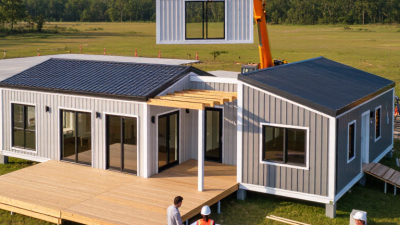
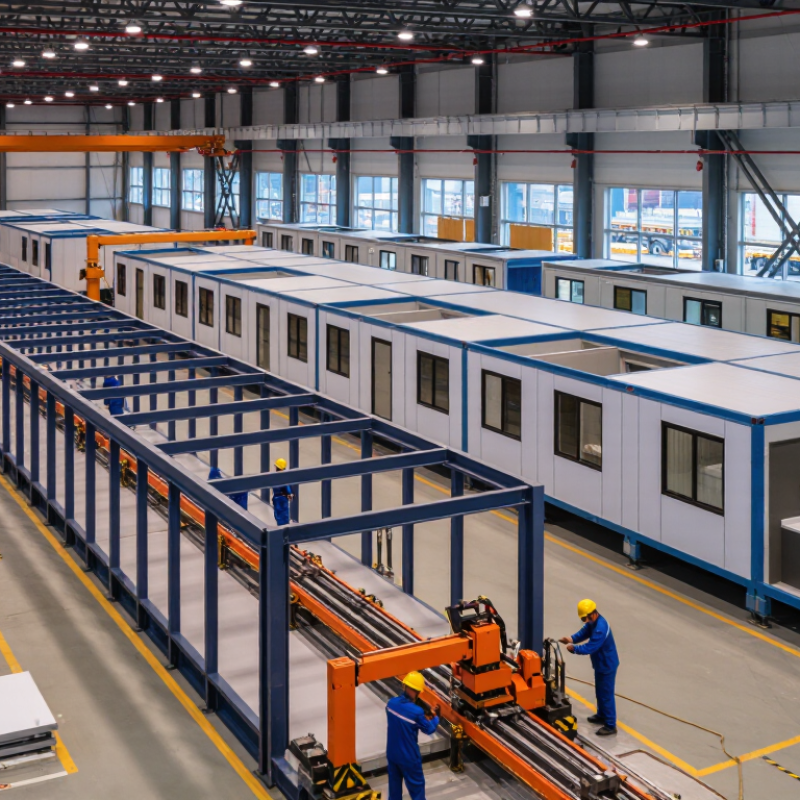
China’s modular home builders are changing how global buyers approach housing projects. Their factories combine steel frames, insulated panels, wiring, plumbing, and interior finishes under controlled conditions. A home can leave the production line with windows installed, bathrooms fitted, and kitchen cabinets protected for shipment.

Yet factory photographs do not tell the whole story. Buyers must examine structural standards, material certificates, production capacity, quality inspections, export experience, and after-sales support. Local climate matters too. A coastal villa needs stronger corrosion protection, while a cold-region project may require thicker insulation and better airtightness. Shipping distance, port handling, customs documents, and site assembly can also affect the final budget.

Tom Hardiman, Executive Director of the Modular Building Institute, describes the sector clearly: “Modular construction is a process, not a product.” His point deserves attention. A good supplier is not simply selling attractive modules. It is coordinating design, engineering, manufacturing, logistics, installation, and communication.

This guide reviews ten modular home builders in China for international buyers. The comparison considers factory capability, customization, documented projects, certifications, delivery support, and transparency. No ranking can remove every uncertainty. A polished website may hide weak project management. A smaller builder may provide more careful service. That part is easy to overlook.

The strongest choice depends on your land, budget, climate, timeline, and compliance requirements. Treat this list as a starting point, not a final verdict. Ask difficult questions. Request drawings, inspection records, and realistic shipping estimates before signing anything.
Top 10 Modular Home Builders in China for Global Buyers?

How to Evaluate Modular Home Builders in China

Top 10 Modular Home Builders in China for Global Buyers

How to Evaluate Modular Home Builders in China

Choosing a modular home builder requires more than comparing online prices. Check how long the factory has produced complete modules, not only panels or steel frames. Ask for dated project photos, production records, and references from buyers in similar climates. A reliable team should explain insulation, waterproofing, fire resistance, and structural calculations in clear language.

Request the full technical package before signing. It should include floor plans, material specifications, factory tolerances, delivery terms, installation duties, and warranty conditions. Confirm whether products match the building requirements of your destination. Wind, snow, seismic, and humidity conditions can change the design significantly. Visit the factory if possible. Look at welding points, corner protection, moisture control, and packaging methods. Small details matter.

Tips: Compare three detailed quotations, not three headline prices. Ask who fixes damage during shipping. Require inspection photos before loading. Speak with at least two completed-project clients. Payment stages should follow measurable milestones. Keep written records.

Experience does not guarantee perfection. A builder may have impressive projects but weak after-sales support. I have seen attractive samples hide unclear installation responsibilities. That is a warning sign. Test communication with technical questions before placing an order. If answers remain vague, delays may become expensive. A careful buyer should also hire an independent engineer when local approval or complex site conditions are involved.

Top 10 Modular Home Builders in China for Global Buyers

Choosing among the top 10 modular home builders in China requires more than comparing catalog prices. Global buyers should examine factory experience, export records, engineering capability, and after-sales support. A reliable builder can provide structural drawings, material specifications, inspection reports, and clear delivery terms. Ask whether the factory has handled your climate, from humid coastlines to freezing inland regions.

A serious evaluation should include a video factory tour or an independent inspection. Look closely at welding quality, wall insulation, window seals, plumbing connections, and moisture protection. Request a sample room, not only polished photographs. Confirm loading methods, container dimensions, installation tools, and local building-code responsibilities. Professional builders should explain these details without avoiding difficult questions. Clear answers matter.

Price still matters, but the lowest quotation may hide weak insulation or expensive site work. Compare the same specifications line by line. Check payment stages, warranty coverage, replacement procedures, and communication speed. A buyer should also verify company registration and references from completed overseas projects. No ranking is perfect. A builder that performs well in one country may struggle with another country’s permits, weather, or labor conditions. Rechecking assumptions is necessary, especially when translated documents sound clearer than they really are. Small omissions can become costly delays.

Top 10 Modular Home Builders in China for Global Buyers

This chart presents a buyer-focused weighting model rather than company rankings. The criteria reflect practical considerations for international modular-housing procurement, including compliance, delivery, quality control, customization, logistics, and after-sales support. Higher percentages indicate greater importance in a typical global buyer evaluation.

Services, Construction Methods, and Product Specialties

Top 10 Modular Home Builders in China for Global Buyers

The top ten modular home builders in China often serve overseas buyers through design, engineering, production, shipping, and installation support. Their teams may provide architectural drawings, structural calculations, material schedules, and export documentation. Ask whether these services cover your destination’s building codes. A factory can produce quickly, yet local approval remains the buyer’s responsibility.

Construction methods differ considerably. Steel-frame modules offer strong dimensional stability and fast assembly. Light-gauge steel systems can reduce weight and simplify transport. Some manufacturers use prefabricated concrete panels for durability, sound control, and fire resistance. Volumetric modules arrive with bathrooms, wiring, insulation, and finishes partly completed. Panelized systems need more work on site but may reduce shipping volume. Product specialties include compact cabins, worker accommodation, villas, offices, and expandable emergency shelters. Specifications matter more than attractive renderings.

Tips: Request a sample wall section, not only photographs. Check insulation thickness, window ratings, weld quality, and moisture protection. Confirm factory tolerances and replacement procedures in writing. Ask for references from projects in climates like yours. Also, calculate port handling, foundation work, taxes, and local labor. These costs are easily underestimated. I would not trust a low quotation without a detailed bill of materials. Factory experience helps, but it does not guarantee perfect installation. Independent inspection is still wise.

Quality Standards, Pricing, Lead Times, and Export Capabilities

Top 10 Modular Home Builders in China for Global Buyers

Quality begins with documented factory controls, not attractive showroom photos. Leading builders should provide steel grades, insulation ratings, fire-testing records, and weld inspection reports. Ask for a sample wall section before approving a full order. A small test can expose poor sealing or uneven panels. Quality varies.

Pricing depends on structure, finishes, engineering, packaging, and destination port. Basic modular units may appear inexpensive, but electrical upgrades, foundation work, customs handling, and inland delivery can change the final budget. Request a line-by-line quotation in the same currency. Keep a contingency of 10% to 15%. That figure is not excessive when local installation conditions remain unclear.

Lead times commonly range from several weeks for standard units to several months for customized projects. Confirm whether the schedule includes drawings, production, inspections, loading, and shipping. Export-capable builders should understand container dimensions, moisture protection, product labeling, and destination-country documentation. Independent factory inspections can verify packing quality before departure. Still, promises are not proof. Some suppliers communicate quickly but handle design changes poorly. Require approved drawings, milestone payments, warranty terms, and a named export coordinator. Experienced buyers also check references from projects with similar climates. A coastal house and a cold-region cabin demand different envelopes, heating systems, and corrosion protection. No shortlist is perfect. Allow time for correction.

Top 10 Modular Home Builders in China for Global Buyers? – Quality Standards, Pricing, Lead Times, and Export Capabilities

Rank Anonymous Supplier Profile Typical Construction System Quality and Compliance Indicators Indicative Factory Price Typical Production Lead Time Export Capability Common Delivery Scope Global Buyer Suitability Readiness Score
1 Profile A
High-export modular manufacturer
Light-gauge steel modules with insulated wall and roof panels ISO 9001 process control Welding inspection Factory acceptance testing US$650–950/m² 45–75 days after approved drawings and deposit Experienced with container loading, export packing, customs documents, and overseas installation coordination Prefab modules, windows, doors, MEP rough-in, internal finishes, packing list, commercial invoice Best for residential developments and repeat international orders 9.2/10
2 Profile B
Steel-frame project specialist
Welded steel frame with sandwich panels or fiber-cement exterior boards Material traceability Dimensional inspection Third-party testing available US$550–850/m² 40–70 days for standard layouts Strong experience with flat-pack and semi-finished exports to overseas contractors Structural frame, envelope package, doors and windows, selected interior systems, installation drawings Suitable for hotels, worker accommodation, offices, and remote-site housing 8.9/10
3 Profile C
Container and volumetric module producer
Reinforced modular steel units based on transportable container dimensions Weld quality records Load testing Water-intrusion checks US$500–800/m² 35–65 days, depending on interior specification Well suited to sea freight, port handling, and project-based bulk shipments Finished modules, sanitary units, electrical pre-installation, lifting points, export packaging Good for accommodation camps, classrooms, clinics, and temporary facilities 8.7/10
4 Profile D
Architectural prefab specialist
Cold-formed steel or timber hybrid system with architectural cladding options Shop-drawing review Facade sample approval Moisture-control documentation US$700–1,150/m² 55–90 days for customized designs Capable of producing project-specific documentation and coordinating with foreign architects Building envelope, interior finish package, custom joinery, lighting allowances, technical submittals Appropriate for villas, boutique accommodation, and architect-designed homes 8.5/10
5 Profile E
Panelized housing manufacturer
Prefabricated insulated wall, floor, and roof panels assembled on site Panel density checks Thermal-performance data Batch inspection US$350–650/m² 30–55 days for repeatable models Efficient for containerized flat-pack shipment and local assembly by trained contractors Panels, framing, fasteners, windows, doors, floor system, assembly manual Cost-effective for low-rise housing and small-to-medium developments 8.3/10
6 Profile F
Luxury prefab home workshop
Steel or timber frame with premium glazing, insulation, and custom interiors Sample-room approval Finish-quality inspection Pre-shipment checklist US$900–1,600/m² 70–120 days, subject to material selection Can manage high-value export orders but may require buyer-appointed local installation teams Completed interior package, custom cabinetry, bathroom units, glazing, lighting and appliance allowances Best for premium villas and hospitality projects with strong design control 8.1/10
7 Profile G
Rapid-deployment building supplier
Light steel frame, modular cabins, and demountable panel systems Production checklists Electrical safety inspection Packaging control US$300–600/m² 20–45 days for standard units Experienced with urgent orders, standardized packing, and multi-unit shipments Accommodation units, site offices, toilets, kitchens, basic electrical and plumbing systems Suitable for emergency housing, construction sites, and short-lead-time projects 7.9/10
8 Profile H
Timber-frame export workshop
Engineered timber frame with wood cladding and insulated panel assemblies Moisture-content records Wood-treatment documentation Component labeling US$600–1,050/m² 50–85 days for standard designs Suitable for knock-down export packages; destination-country treatment and code requirements must be confirmed Cut-to-size timber, wall panels, roof components, windows, doors, hardware, installation drawings Good for environmentally focused projects and low-rise residential buildings 7.7/10
9 Profile I
Budget accommodation producer
Steel-frame modular rooms with EPS, rock-wool, or polyurethane-core panels Incoming-material checks Basic water testing Pre-loading inspection US$250–500/m² 25–50 days for high-volume standard orders Competitive for bulk exports, although engineering support and local-code adaptation may be limited Basic modules, doors, windows, floor coverings, sanitary fixtures, electrical points Best for cost-sensitive camps, dormitories, and temporary accommodation 7.4/10
10 Profile J
Custom small-batch prefab supplier
Mixed steel, panel, and container-based systems tailored to individual projects Prototype inspection Basic quality records Buyer video inspection US$450–900/m² 45–90 days, depending on customization Can export small quantities but may rely on external freight forwarders and buyer-appointed engineers Customized shell, selected interior finishes, plumbing and electrical rough-in, assembly guidance Useful for one-off homes, retail kiosks, studios, and pilot projects 7.1/10
Data note: Prices are indicative factory-level ranges in USD per square meter and normally exclude land preparation, foundations, local permits, destination taxes, inland delivery, import duties, and on-site installation. Lead times begin after final design approval and receipt of the agreed deposit. Actual requirements should be checked against the destination country’s structural, fire, energy, electrical, plumbing, and import regulations.

How Global Buyers Can Select and Work with a Chinese Builder

Choosing among China’s top modular home builders requires evidence, not attractive website images. Request factory photos, production records, and recent overseas project references. A serious builder should explain steel grades, insulation thickness, fire resistance, and moisture control clearly. Avoid vague promises.

Ask for complete drawings before discussing the final price. These should show wall sections, electrical points, plumbing routes, window specifications, and connection details. Have an independent architect or engineer compare them with your local building codes. Chinese factory standards may not match your country’s requirements. That difference can become expensive.

Visit the factory if possible. Watch how materials are stored, cut, labeled, and inspected. Ask who checks welds and waterproof joints. Confirm packaging, shipping terms, unloading equipment, installation duties, and warranty response times in writing. Use milestone payments linked to measurable work, such as completed frames or passed inspections. Keep a third-party inspection before shipment.

Do not choose only by price. A low quote may exclude foundations, customs handling, local approvals, or site preparation. It happens. I would also question unusually fast schedules, because modular work still needs design coordination and quality checks. Request a small sample wall or bathroom assembly before mass production. The sample may reveal awkward fittings, weak finishes, or missing access panels early. Clear communication matters too, so record decisions in approved drawings rather than informal messages.

Enter search term below