


China Top Pre Manufactured Homes Suppliers for Global Buyers
China has become a significant sourcing destination for pre manufactured homes, serving buyers across North America, Europe, Africa, and Southeast Asia. Its suppliers offer steel-frame modules, expandable units, container-style homes, and complete residential systems. Yet factory photos can hide practical concerns.
Dr. Ryan E. Smith, a recognized offsite construction researcher and author of Offsite Architecture, describes the industry clearly: “Offsite construction is not a type of building; it is a method of production.” This idea matters when comparing Chinese manufacturers. A reliable supplier should demonstrate more than attractive designs. Buyers need evidence of factory quality control, structural testing, fire-resistant materials, insulation performance, and documented production experience.
Real evaluation begins with details. Ask how wall panels are sealed against rain. Check whether electrical components match the destination country. Confirm foundation requirements before ordering. Review shipping dimensions, installation instructions, replacement-part policies, and warranty terms. A well-built module can still fail if transport handling is careless or local assembly is rushed.
The best suppliers communicate precisely. They explain what is included, what is excluded, and what may change after customization. That honesty is valuable.
Still, no supplier is perfect. Some websites provide limited technical data. Some quotations look complete but omit permits, foundations, or interior connections. Buyers must question assumptions and request drawings before payment.
This guide examines China’s leading pre manufactured homes suppliers for global buyers. It focuses on product quality, customization, compliance awareness, delivery capability, and after-sales support. The goal is not to promise an effortless purchase. It is to help buyers make a more informed one.
Types of Pre-Manufactured Homes Available from Chinese Suppliers
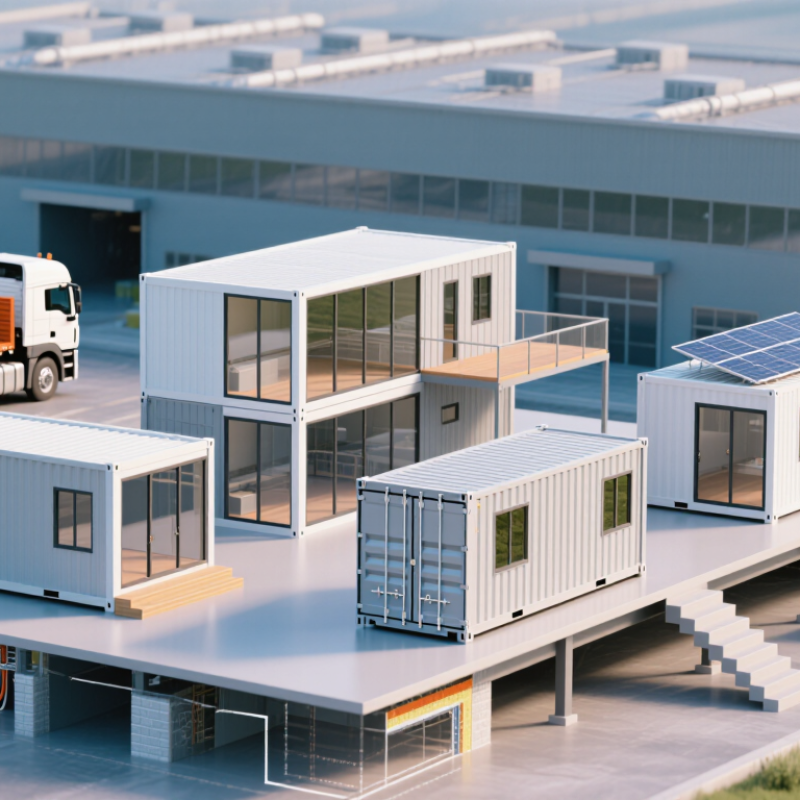
Chinese suppliers offer several pre-manufactured home types for global buyers. Modular homes arrive as factory-built room units, including kitchens, bathrooms, and electrical systems. They suit hotels, worker housing, schools, and compact residences. Panelized homes use insulated wall, roof, and floor sections. Buyers assemble these panels locally, which can reduce shipping volume and site labor. Light-gauge steel frames provide a practical option for regions facing humidity, insects, or strong winds.
Expandable homes are shipped in folded form and opened on site. They work well for temporary offices, emergency accommodation, and remote projects. Container-style units are also available, although their appearance and insulation quality vary widely. A careful buyer should inspect thermal bridges, corrosion protection, fire-rated materials, and connection details. Small samples can be misleading.
MarketsandMarkets valued the global modular construction market at about USD 91.5 billion in 2023 and projected continued growth through 2028. McKinsey’s modular construction analysis found that factory production may reduce project schedules by 20% to 50% under suitable conditions. These figures are useful, but not guaranteed. Transport distance, local permits, foundation accuracy, and installer skill can change the result. The International Energy Agency also emphasizes building-envelope performance as a major factor in operational energy use. Chinese suppliers should therefore provide structural calculations, material test records, installation drawings, and documentation for the buyer’s local building code. Some quotations look inexpensive, yet omit engineering or after-sales support. That is where budget planning often becomes imperfect.
| Home Type | Typical Structural System | Common Floor Area | Typical Installation Time | Typical Service Life | Main Advantages | Common Applications | Key Buyer Considerations |
|---|---|---|---|---|---|---|---|
| Light-Gauge Steel Prefabricated House | Cold-formed galvanized steel framing with insulated wall and roof panels | 20–200 m² per unit | Approximately 1–4 weeks after foundation completion | About 30–50 years, subject to corrosion protection and maintenance | Lightweight Fast assembly Flexible layouts | Worker accommodation, rural housing, classrooms, offices, emergency housing | Check steel thickness, galvanization, insulation performance, wind-load design and local building approval requirements |
| Modular Container-Style House | Factory-built steel module with sandwich panels, doors, windows and basic services | 15–45 m² per module; multiple modules can be combined | Approximately 1–3 weeks on site | About 15–30 years, depending on coating, climate and maintenance | Reusable layout Transportable Rapid deployment | Site offices, dormitories, temporary accommodation, clinics, retail units | Confirm module dimensions, shipping restrictions, lifting points, fire rating and connection details |
| Expandable Prefabricated House | Foldable or telescopic steel frame with factory-finished insulated panels | 18–72 m² after expansion | Usually 1–7 days for placement and expansion | About 15–30 years, depending on design and environmental conditions | Compact shipping Quick setup Space efficient | Temporary housing, tourism cabins, disaster relief, remote-site accommodation | Verify folding mechanisms, waterproofing at joints, electrical compatibility and local occupancy regulations |
| Flat-Pack Prefabricated House | Panelized steel or timber frame supplied as knock-down components | 15–150 m² per building | Approximately 1–6 weeks, depending on size and workforce | About 20–50 years, depending on materials and maintenance | Efficient packing Lower transport volume Design adaptable | Housing developments, offices, classrooms, guardhouses and accommodation camps | Review assembly drawings, component labeling, fastener quality, moisture control and foundation tolerances |
| Prefab Villa or Residential Modular Home | Engineered steel, timber or hybrid modular structure with completed interior finishes | 60–300+ m² | Approximately 2–8 weeks for on-site assembly, excluding foundations and approvals | About 50 years or more when designed and maintained as a permanent building | Residential comfort Factory quality control Custom finishes | Permanent residences, vacation homes, guesthouses and housing projects | Confirm structural calculations, thermal values, plumbing standards, interior specifications and local code compliance |
| Prefab Cabin or Tourism Pod | Steel or timber frame with insulated envelope and pre-installed interior systems | 12–60 m² | Approximately 1–4 weeks after site preparation | About 20–40 years, depending on exposure and maintenance | Attractive appearance Compact footprint Factory-finished interior | Resorts, campsites, parks, eco-tourism projects and rural guest accommodation | Assess insulation, condensation control, bathroom waterproofing, fire safety and transport access to the site |
| Prefab Office or Commercial Building | Modular steel frame, sandwich panels or prefabricated wall and roof systems | 30–1,000+ m² | Approximately 3–12 weeks, depending on project scale | About 30–50 years for permanent systems with proper maintenance | Scalable Shorter construction period Relocatable options | Sales offices, classrooms, warehouses, clinics, staff facilities and commercial spaces | Check occupancy load, fire exits, accessibility, HVAC capacity, electrical standards and commercial permitting |
| Prefab Public-Service or Emergency Shelter | Rapid-assembly steel or panelized structure with basic utility connections | 15–100 m² per unit | Several days to 4 weeks, depending on site readiness | About 10–30 years for temporary or semi-permanent use | Rapid deployment Repeatable production Easy logistics planning | Medical posts, relief housing, temporary classrooms, security facilities and field operations | Confirm sanitation, ventilation, fire protection, accessibility, climatic suitability and emergency procurement documentation |
Related Posts
-
How to Buy Premade Homes for Global Projects?
-
What Are the Top 10 Flat Pack Homes for Sale Worldwide?
-
What Are the Top Fabricated Homes for Global Buyers?
-
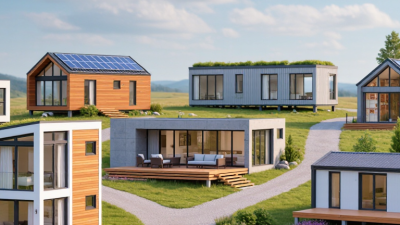
7 Best Prebuilt Homes for Global Buyers in 2026
-
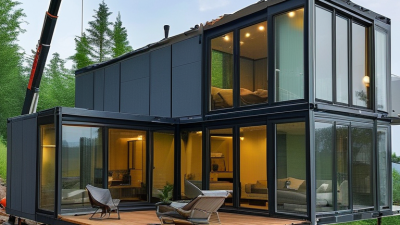
7 Best Prefab Home Kits for Global Buyers?
-
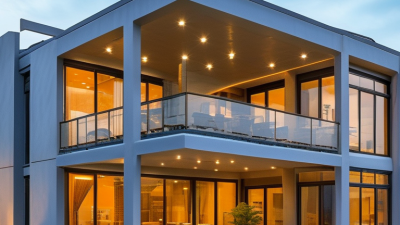
China Top 10 Prefab Houses Manufacturers for Global Buyers?